


Kate And Emma
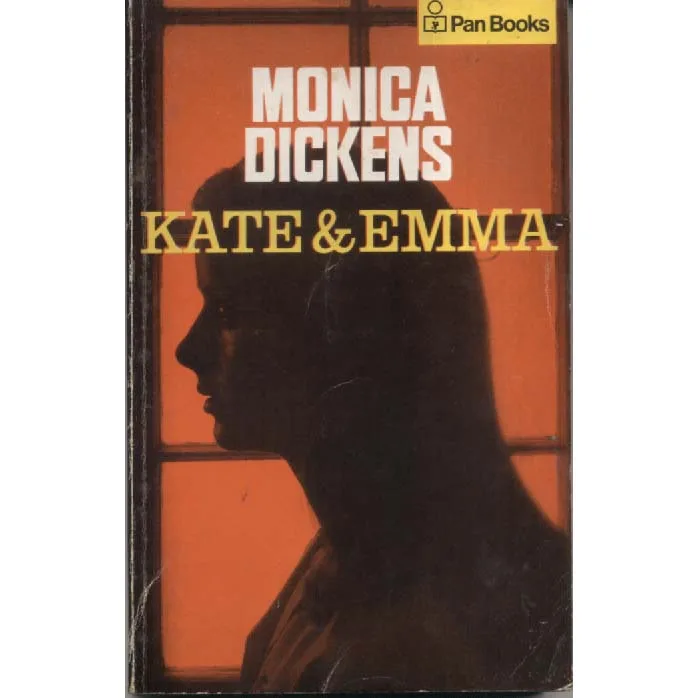
Publisher: Pan Books
Format: Paperback
ISBN: 0330201557
Kate and Emma is one of those wonderfully humane Monica Dickens novels where everyday life becomes simultaneously hilarious, exhausting and faintly catastrophic without anybody ever quite admitting it out loud. Published in this 1971 Pan Books edition and now resurfacing from the literary excavation site known as Crappy Old Books, it survives in Very Good condition, which for a paperback over half a century old is practically aristocratic.
Monica Dickens excelled at writing about ordinary people navigating the quiet absurdities of British life with varying degrees of grace and emotional stability. In Kate and Emma, as in much of her work, the drama does not arrive through murders or international conspiracies but through relationships, misunderstandings, domestic strain and the persistent challenge of remaining sane while surrounded by other human beings.
Which, honestly, is far more relatable.
The title itself has the cosy confidence of a novel that assumes readers are perfectly willing to become emotionally invested in two people they have never met. And Dickens earns that trust almost immediately. Her characters feel lived-in rather than constructed, as though they existed long before the book began and will continue muddling through long after the final page. Few writers captured the texture of everyday British existence with such warmth and precision.
This 1971 Pan edition almost certainly possesses all the tactile pleasures of a vintage paperback survivor. The pages may have softened into that lovely mellow cream colour that modern publishers spend fortunes unsuccessfully trying to imitate. The cover probably features the kind of period artwork that suggests somebody is about to experience emotional upheaval while wearing extremely practical knitwear.
Very Good condition is particularly impressive because Pan paperbacks of this era were rarely treated gently. These were commuter books, holiday books, rainy Sunday books. They travelled in handbags beside loose mints and damp umbrellas. They sat on kitchen tables while tea was made. They were lent to neighbours who promised faithfully to return them “next week” and often did so sometime around the collapse of British manufacturing.
And somewhere in all this lies the quiet irony of Monica Dickens herself. While many “serious” literary figures strained heroically to explain the meaning of modern existence, Dickens simply observed people trying to get through the day without emotional collapse and produced novels that now feel infinitely more alive. Her work understands something timeless: that most lives are shaped less by grand events than by conversations, routines, anxieties and the slow accumulation of tiny absurdities.
Reading Monica Dickens now also offers the pleasure of entering a vanished Britain where telephones remained attached to walls, letters arrived in the post, and people routinely endured enormous emotional strain while continuing to discuss the weather politely. The social details are glorious. Cups of tea appear with near-medical necessity. Feelings are managed through understatement. Entire family crises simmer quietly beneath respectable conversation.
A warm, witty and beautifully observed slice of mid-century British life, lovingly preserved by Crappy Old Books. Perfect for readers who enjoy vintage paperbacks, sharp social observation and the comforting reminder that people have always been quietly overwhelmed, just in slightly better clothing.
Keep browsing: See more Fiction books Other books by Monica Dickens
